
AS 4970:2025 Explained: What the New Tree Protection Standard Means for Development Projects
AS 4970:2025 Explained: What the New Tree Protection Standard Means for Development Projects
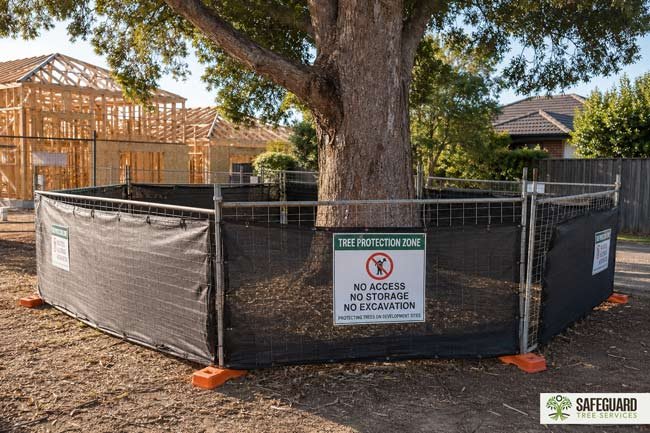
Trees are a valuable asset on residential, commercial and public land. They provide shade, improve biodiversity, improve air quality, enhance property value and contribute to healthier urban environments. However, when construction or development occurs near existing trees, there is a risk of damaging critical root systems, compacting soil or causing long-term decline that may not become evident until years after construction has finished.
To help manage these risks, Standards Australia released AS 4970:2025 – Protection of Trees on Development Sites, replacing the previous 2009 edition. The updated standard provides clearer guidance on assessing development impacts, protecting retained trees and improving communication between arborists, designers, builders and planning authorities.
Whether you are planning a new home, extension, subdivision, driveway or commercial development, understanding the requirements of AS 4970:2025 is becoming increasingly important.
What Is AS 4970:2025?
AS 4970:2025 is the Australian Standard that establishes procedures and recommendations for protecting trees that are intended to be retained during development and construction activities.
The standard is commonly referenced by councils, planning authorities, arborists, architects, engineers and developers when assessing proposed works near existing trees. Its primary objective is to minimise construction-related damage and improve the likelihood of long-term tree retention.
The standard applies to a wide range of projects, including:
- Residential developments
- Home extensions and renovations
- Unit and townhouse developments
- Commercial developments
- Driveway construction
- Infrastructure projects
- Subdivisions
While AS 4970:2025 does not replace local planning controls or council requirements, it provides the nationally recognised framework used to assess tree impacts and determine appropriate protection measures.
Why Was AS 4970 Updated?
Since the publication of AS 4970:2009, awareness of the importance of urban tree canopy has increased significantly throughout Australia. Councils and planning authorities have placed greater emphasis on retaining mature trees due to their environmental, social and economic benefits.
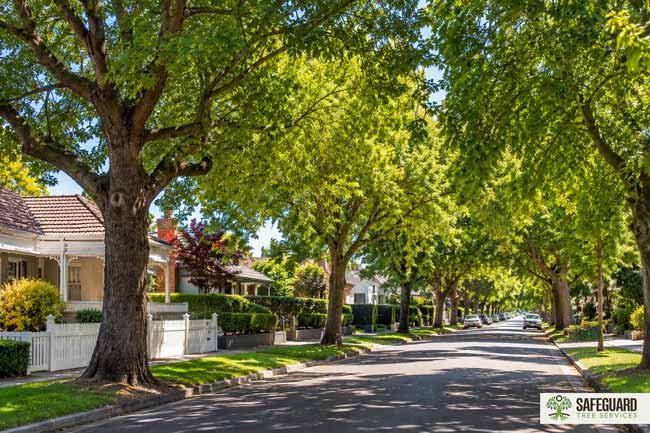
Mature trees contribute to:
- Urban cooling
- Wildlife habitat
- Improved air quality
- Stormwater management
- Energy savings through shade
- Increased property value
- Enhanced neighbourhood character
At the same time, development pressures have intensified, particularly within established urban areas where construction often occurs in close proximity to existing vegetation.
The 2025 revision aims to improve clarity and consistency in tree protection assessments, encourage evidence-based decision making and improve tree retention outcomes through better planning and collaboration.
Key Changes Introduced in AS 4970:2025
The revised standard introduces several important updates that affect how trees are assessed, protected and managed during development.
Introduction of the Notional Root Zone (NRZ)
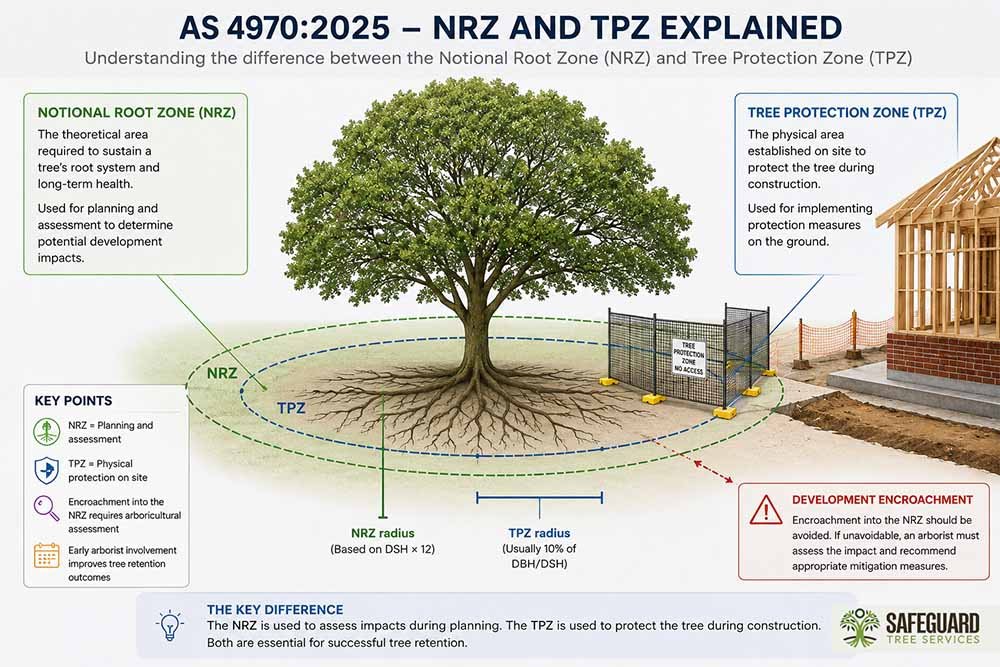
One of the most significant changes introduced in AS 4970:2025 is the adoption of the Notional Root Zone (NRZ).
Under AS 4970:2009, the Tree Protection Zone (TPZ) was commonly used as both a planning tool and a physical protection area surrounding retained trees. The updated standard separates these functions by introducing the NRZ as the theoretical area required to support a tree’s root system and long-term health.
The NRZ is used during the planning and assessment phase to evaluate potential development impacts and identify opportunities for tree retention.
This distinction provides greater clarity for project stakeholders and supports more informed decision making during the design process.
Diameter at Standard Height (DSH) Replaces DBH
AS 4970:2025 replaces the term Diameter at Breast Height (DBH) with Diameter at Standard Height (DSH).
While the terminology has changed, the measurement location remains the same at 1.4 metres above ground level.
For most projects, this change will have little practical impact but provides greater consistency in arboricultural terminology and reporting.
New Encroachment Categories
The revised standard introduces clearer categories for assessing development impacts within the Notional Root Zone.
These categories generally include:
- Minor encroachment
- Moderate encroachment
- Major encroachment
The introduction of a moderate encroachment category helps arborists, planners and developers better assess potential impacts and identify mitigation measures that may improve tree retention outcomes.
Greater Emphasis on Root Investigations
AS 4970:2025 places increased importance on root investigations where development is proposed near retained trees.
Techniques such as air excavation, root mapping and non-destructive root investigations can provide valuable information about root distribution and root significance.
This allows decisions to be based on site-specific evidence rather than assumptions, often creating opportunities to retain trees that may otherwise have been removed.
Improved Tree Protection Documentation
The revised standard places greater emphasis on documentation and communication throughout the construction process.
This may include:
- Tree Protection Plans (TPP)
- Tree Protection Specifications (TPS)
- Arboricultural Impact Assessments (AIA)
- Construction monitoring requirements
Effective documentation helps ensure all parties understand the protection measures required to minimise impacts on retained trees.
Earlier Arboricultural Involvement
Another important theme throughout AS 4970:2025 is the need to involve arborists early in the design process.
Historically, arborists were often engaged after plans had already been prepared. This frequently resulted in conflicts between proposed structures and existing trees.
The updated standard encourages arboricultural input during the early planning stages so that tree constraints can be identified before plans are finalised.
This proactive approach can reduce redesign costs, improve planning outcomes and increase opportunities for successful tree retention.
What Does This Mean for Homeowners, Builders and Developers?
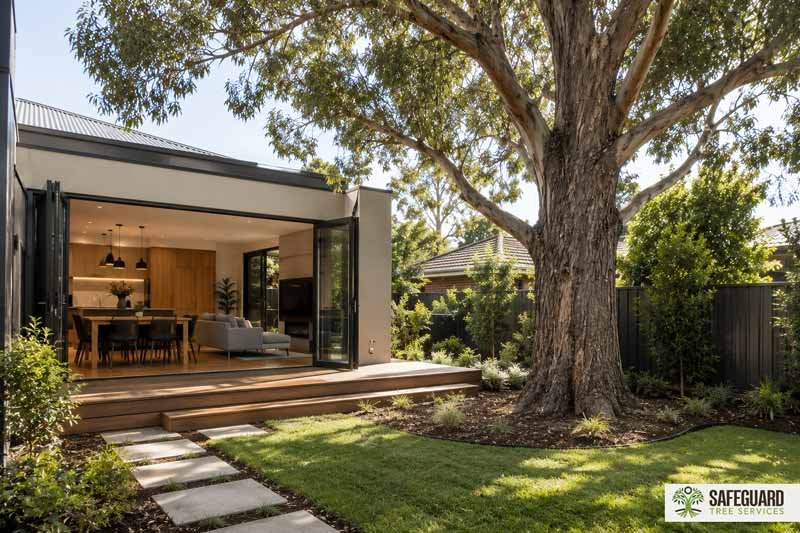
For anyone planning a new home, extension, subdivision, driveway or commercial development, AS 4970:2025 reinforces the importance of considering trees from the earliest stages of project planning.
Failing to consider trees early can result in:
- Costly redesigns
- Planning delays
- Permit complications
- Increased construction costs
- Unnecessary tree removal
By obtaining professional arboricultural advice before finalising plans, property owners and project teams can better understand tree-related constraints and develop practical solutions that balance development needs with tree protection requirements.
In many cases, early assessment can save considerable time and expense while improving compliance with council requirements.
When Do You Need an Arborist Report?
An arborist report may be required whenever proposed works have the potential to impact existing trees.
Common situations include:
- New residential developments
- Home extensions
- Unit developments
- Swimming pool installations
- Driveway construction
- Subdivisions
- Commercial developments
- Tree removal permit applications
- Development near significant trees
Depending on the project, an arborist may prepare a Preliminary Tree Assessment, Arboricultural Impact Assessment, Tree Protection Plan, Tree Protection Specification or Tree Risk Assessment.
These reports help councils, planners, architects and property owners understand potential impacts and identify appropriate management measures.
Common Mistakes Made During Development Near Trees
Despite the availability of modern assessment techniques and updated standards, tree damage during construction remains common.
Some of the most common mistakes include:
Engaging an Arborist Too Late
Leaving tree assessments until after plans have been completed often creates conflicts between development objectives and tree retention requirements.
Excavating Within Root Protection Areas
Excavation can damage structural roots, affecting both tree health and stability.
Soil Compaction
Machinery, vehicles and material storage can compact soil and significantly reduce root function.
Storing Materials Near Trees
Building materials stored within protection areas can damage roots and alter soil conditions.
Failure to Install Tree Protection Measures
Protection fencing and exclusion zones should be established before construction begins and maintained throughout the project.
Frequently Asked Questions
Does AS 4970:2025 apply to residential developments?
Yes. The standard applies to residential, commercial and infrastructure projects where trees are proposed to be retained.
Can a development proceed if it encroaches into a tree protection area?
Potentially. Each situation must be assessed individually. The level of encroachment, species, condition and root investigation findings may all influence the outcome.
Do I need an arborist report before submitting plans to council?
Many councils require arborist reports where development is proposed near significant or protected trees.
What happens if roots are damaged during construction?
Root damage can affect tree health, structural stability and long-term viability. Symptoms may not become visible until years after construction has been completed.
Conclusion
AS 4970:2025 represents an important update to Australia’s approach to protecting trees on development sites. The revised standard provides clearer terminology, improved assessment methodologies and a stronger focus on evidence-based decision making.
For homeowners, builders, architects and developers, the key message is simple: consider trees early in the planning process.
Early arboricultural advice can help identify opportunities to retain valuable trees, reduce planning complications and improve project outcomes.
If you are planning a development project and need advice regarding tree protection requirements, Safeguard Tree Services can provide professional arboricultural assessments, development advice and tree protection planning throughout Melbourne’s South East.
Disclaimer
The information provided in this article is intended as general information only and should not be relied upon as professional, legal, planning, engineering or arboricultural advice. While every effort has been made to ensure the information is accurate at the time of publication, legislation, planning controls, Australian Standards and local council requirements may change over time.
Development requirements can vary significantly depending on the location, planning overlays, site conditions, tree characteristics and the specific details of a proposal. Readers should seek project-specific advice from a suitably qualified professional before making decisions relating to tree management, development, construction or permit requirements.
Safeguard Tree Services accepts no liability for any loss, damage or expense arising from reliance on the information contained within this article. Professional arboricultural advice should be obtained for individual circumstances.